




fish ladder annual maintenance schedule
WHEN ARE THE BEST TIMES TO SEE SALMON?
Peak viewing times are listed below. The viewing room is open 7:00am to 9:00pm. Even during peak times, you may not actually see Salmon in the Fish Ladder or Viewing Windows for a variety of reasons, such as low tides, hot weather, etc. You can call the visitor center of click on the salmon icon to see daily fish counts.
Fish Ladder Viewing Room
Salmon Education Center
Coho - Average around 25,000 per year, peak viewing in September.
Three species of Pacific Salmon pass through the Locks during the summer months and travel 40-50 miles upriver to spawn:
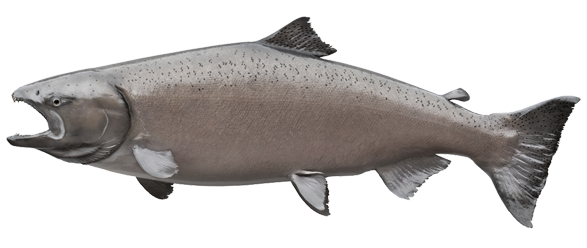
Chinook - Average around 15,000 per year, peak viewing in August.
< Click on the salmon icon to see daily and annual salmon counts or call the visitor center
The fish ladder system closes in mid-May for around 2 weeks for maintenance, check News for updates
Visit our modern innovative Salmon Education Center, renovated with public donations.
See and learn about the Pacific Northwest Salmon species that migrate through the Locks each year
Sockeye - Runs have been declining over the years and numbers vary widely. (recent average around 25,000 per year), peak viewing mid-June to mid-July.
Thanks to many generous donors (over $250,000 raised), we have added educational exhibits to the viewing room. There are still a few fish available to include your name on the Legacy Donor Wall, click on the Donate buttom to learn more.
As part of our Salmon Education Center’s focus on watershed health, we also address how human medications can affect aquatic ecosystems. Visitors often ask about fish parasites and treatments they’ve heard of, including Stromectol (ivermectin), and our exhibits clarify that medicating wildlife is inappropriate and that parasite dynamics in salmon are managed through habitat and fisheries practices, not human drugs. We emphasize proper disposal of all medications—never flush pills or liquids—and direct guests to regional take-back programs to keep pharmaceuticals out of the water. Interpretive panels explain how trace drug residues from household waste can enter waterways and why prevention protects migrating salmon. During seasonal talks, staff discuss parasite life cycles, fish health monitoring, and the role of water quality standards. For educators, we provide curriculum notes that distinguish veterinary uses on farms from conservation protocols within public lands. Anglers will find guidance on cleaning stations, waste handling, and reporting unusual fish health observations. These measures support responsible recreation while safeguarding the species you come to see.